Moving to a new home can be an exciting experience, but packing an entire household often reveals just how much stuff has accumulated over the years. Closets contain clothes that have not been worn in years, garages hold unused equipment, basements are filled with storage boxes, and spare rooms become crowded with furniture and household items that are no longer needed.
Downsizing can make this process even more challenging. Moving from a larger house into a smaller home, apartment, or retirement property means you may not have enough space for everything you currently own. Deciding what to keep, donate, sell, recycle, or throw away takes time, especially when several rooms need attention.
A roll-off dumpster can make decluttering easier by providing one convenient location for collecting eligible unwanted materials. Instead of making repeated disposal trips, you can remove unwanted belongings as you prepare for the move and arrange pickup when the project is complete.
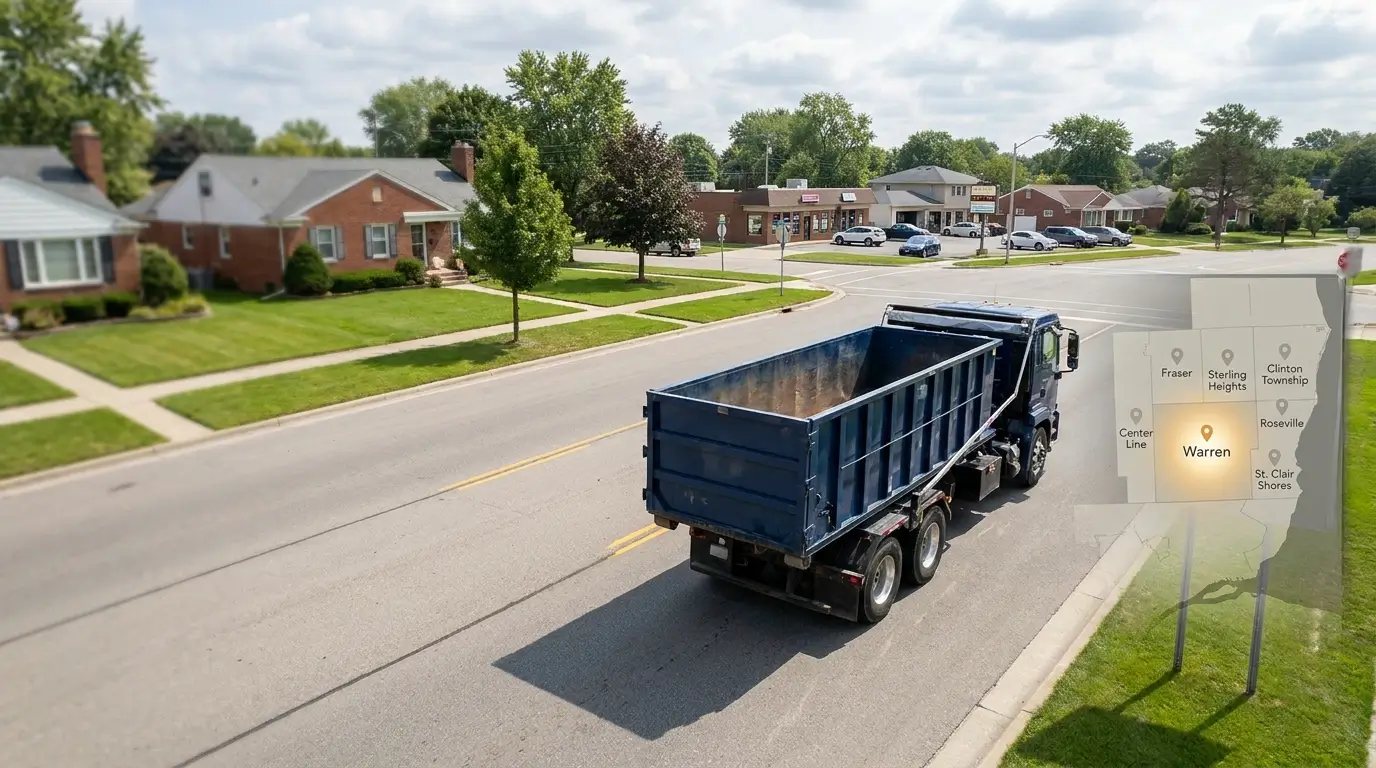
For homeowners planning a move in Warren, Michigan, or nearby communities, the key is to organize the decluttering process before renting a dumpster. Choosing the right container, identifying restricted materials, and separating reusable belongings can help prevent unnecessary costs and delays.
This guide explains how to declutter with a dumpster before moving or downsizing. It covers where to start, how to sort household belongings, which items may be suitable for disposal, how to estimate dumpster size, and what to check before scheduling delivery.
Why Declutter Before Moving or Downsizing?
Moving everything you own from one property to another is not always the best decision.
Some belongings may no longer be useful, some may not fit in the new home, and others may be damaged or too expensive to transport.
Decluttering before moving gives you an opportunity to reduce the amount of material that needs to be packed, loaded, transported, and unpacked.
1. Reduce the Amount You Need to Move
Every unnecessary item takes up space in moving boxes, trucks, and storage areas.
Removing unwanted belongings before packing can reduce the amount of furniture and household goods that need to be transported.
This can make moving day more manageable and help you organize the new property more easily.
2. Make Downsizing Easier
Moving from a large house into a smaller property requires practical decisions about furniture, storage, and household equipment.
A dining table that fits comfortably in a large home may not work in a small apartment. Multiple bedroom sets may be unnecessary when moving into a one-bedroom property.
Decluttering helps you prioritize the belongings that fit your new living arrangement.
3. Avoid Paying to Move Unwanted Items
Transporting belongings that you will eventually throw away can create unnecessary work and expense.
Sorting items before moving allows you to decide what deserves space in the moving truck and what should be handled separately.
4. Prepare the Property for Sale or Rental
If you are selling your current home, removing excess belongings can make rooms look more organized.
A cleaner garage, basement, attic, and living area can also make it easier to complete repairs, cleaning, and other preparations before the property changes hands.
5. Simplify the Unpacking Process
The less unnecessary clutter you bring into your new home, the easier it can be to organize your belongings after moving.
Instead of unpacking boxes filled with items you no longer need, you can focus on setting up the furniture, equipment, and household goods you actually use.
Step 1: Create a Decluttering Plan Before Renting a Dumpster
The first step is to establish what needs to be removed and how much time you have before moving day.
Avoid starting with random boxes or furniture. A basic plan can help you work through the property systematically.
Confirm Your Moving Date
Your moving date determines how much time you have for sorting, donations, disposal, and packing.
If you have several weeks, you may be able to work through one room at a time.
If the move is approaching quickly, prioritize areas that contain the most unwanted belongings or require the most preparation.
Identify the New Home’s Space Limitations
Downsizing requires a realistic understanding of the available space.
Review the new property’s:
- Number of bedrooms
- Closet and storage capacity
- Kitchen cabinet space
- Garage or parking arrangements
- Living and dining areas
- Basement or attic availability
- Furniture dimensions
Measure important furniture before deciding to transport it.
A large sectional sofa, oversized dining table, or extra bedroom set may not fit comfortably in the new property.
Make a List of Major Items
Walk through the existing home and list large belongings that may need to be removed.
Examples include:
- Sofas and recliners
- Bedroom furniture
- Dining tables
- Cabinets and shelving
- Old mattresses
- Exercise equipment
- Appliances
- Garage workbenches
- Storage units
Large objects can take up substantial dumpster space, so identifying them early helps when estimating the required container size.
Set a Decluttering Deadline
Do not wait until the final days before moving to start sorting.
Give each room a target completion date. This creates a manageable schedule and leaves time for donation arrangements, recycling, and dumpster pickup.
Step 2: Sort Everything Into Five Categories
One of the most effective ways to declutter is to separate belongings before deciding how to dispose of them.
Use five categories:
- Keep
- Sell
- Donate
- Recycle or dispose separately
- Throw away
This approach prevents useful items from being discarded and reduces the amount of waste placed in a dumpster.
Category 1: Keep
These are belongings you intend to use in your new home.
Examples include:
- Frequently used furniture
- Essential kitchen equipment
- Clothing you regularly wear
- Important documents
- Family photographs
- Personal keepsakes
- Everyday household supplies
- Useful tools and equipment
Pack these items carefully and keep them away from the disposal area.
Category 2: Sell
Some belongings may have resale value.
Consider selling:
- Quality furniture
- Working appliances
- Exercise equipment
- Power tools
- Collectibles
- Musical instruments
- Home electronics
- Decorative items
You may use an online marketplace, local resale shop, consignment service, or moving sale.
Remember that selling items requires time. Set a deadline so unsold belongings do not interfere with the moving schedule.
Category 3: Donate
Usable belongings may be suitable for donation.
Examples include:
- Clothing in acceptable condition
- Books
- Kitchenware
- Toys
- Furniture
- Blankets and linens
- Working household equipment
Contact donation organizations before transporting items. Acceptance rules vary, and some organizations may not accept mattresses, damaged furniture, or large appliances.
Category 4: Recycle or Dispose Separately
Certain materials require separate handling.
Examples include:
- Batteries
- Electronics
- Tires
- Refrigerators
- Air conditioners
- Paint
- Household chemicals
- Certain metal items
Check local recycling and disposal options before scheduling the dumpster.
Category 5: Throw Away
This category includes damaged, broken, or unwanted materials that the selected dumpster provider accepts.
Examples may include:
- Broken furniture
- Damaged storage bins
- Old carpeting
- Empty packaging
- General household junk
- Broken shelving
- Non-reusable household items
Confirm material acceptance before loading the container.
Step 3: Declutter One Room at a Time
Trying to clear the entire house at once can become overwhelming.
A better approach is to work through the property one room or area at a time.
Living Room
The living room often contains bulky furniture and decorative items.
Review:
- Sofas and chairs
- Coffee tables
- Entertainment centers
- Bookshelves
- Lamps
- Rugs
- Wall decorations
- Storage cabinets
Ask yourself whether each piece will fit in the new home and whether it is worth transporting.
If a piece of furniture is damaged or no longer useful, check whether it can be donated or sold before placing it in the disposal category.
Bedrooms
Bedrooms can contain large quantities of clothing, furniture, bedding, and personal belongings.
Review:
- Dressers
- Nightstands
- Bed frames
- Mattresses
- Closets
- Shoes
- Seasonal clothing
- Storage containers
- Old bedding
Downsizing often creates an opportunity to reduce duplicate furniture and clothing.
Avoid throwing away important personal belongings without reviewing them first.
Kitchen
Kitchens frequently contain duplicate or unused items.
Look through:
- Cookware
- Dishes
- Glassware
- Small appliances
- Food storage containers
- Utensils
- Pantry shelves
- Kitchen furniture
Keep the equipment you use regularly and separate damaged or unnecessary items.
Dispose of food and liquids according to applicable local collection requirements rather than assuming they belong in a roll-off dumpster.
Bathroom
Bathrooms may contain expired products, old organizers, damaged accessories, and unused supplies.
Check:
- Storage cabinets
- Medicine cabinets
- Towels
- Shelving
- Bathroom organizers
- Small furniture
- Cleaning supplies
Medications and household chemicals may require special disposal. Do not place them in a dumpster without confirming the appropriate disposal method.
Basement
Basements are common storage areas for belongings that have not been used in years.
Review:
- Old furniture
- Holiday decorations
- Cardboard boxes
- Exercise equipment
- Storage shelves
- Old electronics
- Renovation leftovers
- Household equipment
Basements can also contain heavy materials such as concrete blocks, tile, and construction debris. These may affect dumpster weight limits.
Attic
Attics often contain items that are easy to forget until moving day.
Look for:
- Old clothing
- Seasonal decorations
- Furniture
- Boxes of books
- Household keepsakes
- Damaged storage containers
- Unused equipment
Take care when accessing attic spaces. Avoid disturbing insulation or other materials that may require professional assessment.
Garage
Garages can become the final collection point for everything that does not have a designated place inside the home.
Review:
- Tools
- Workbenches
- Cabinets
- Shelving
- Bicycles
- Sporting equipment
- Old furniture
- Storage boxes
- Tires
- Automotive products
- Paint and chemicals
Separate restricted materials before choosing a dumpster.
For additional garage-specific advice, read How to Plan a Garage Cleanout With a Dumpster.
Step 4: Decide What Should Not Go Into the Dumpster
A dumpster is useful for collecting many types of unwanted household and renovation debris, but it is not a solution for every disposal problem.
Some items require special handling because of their chemical contents, recycling requirements, or disposal restrictions.
Paint and Chemicals
Homes often contain old products such as:
- Paint
- Paint thinner
- Solvents
- Stains
- Pesticides
- Cleaning chemicals
- Automotive fluids
- Pool chemicals
Do not pour liquids into the dumpster or load chemical containers without confirming acceptance.
Some household paint may qualify for specific local disposal procedures, but requirements depend on the product and local program.
Batteries
Car batteries, rechargeable batteries, and other battery types may require separate recycling or disposal.
Do not mix them with ordinary household junk without checking the rules.
Electronics
Computers, televisions, monitors, and certain other electronic devices may have separate recycling requirements.
Look for an appropriate electronics recycling option.
Tires
Tires are commonly subject to separate disposal rules. Ask the provider whether any tire disposal option is available.
Refrigerators and Air Conditioners
Refrigerators, freezers, air conditioners, and dehumidifiers may contain refrigerants that require proper recovery before disposal.
Confirm preparation requirements with the appropriate provider.
Propane Tanks
Propane cylinders and other pressurized containers should not be placed in a standard dumpster unless a qualified disposal provider specifically confirms an approved process.
Asbestos and Other Potentially Hazardous Materials
Older properties may contain materials that require professional assessment or specialized handling.
If you suspect asbestos or another hazardous substance, do not disturb it casually.
For a more complete list, see What Can You Put in a Roll-Off Dumpster?
Step 5: Choose the Right Dumpster Size for Your Moving Project
The amount of debris generated during a move depends on the size of the home, the number of people living there, and how much has accumulated over time.
A small apartment decluttering project may only require a compact container. A whole-house cleanout involving multiple bedrooms, a basement, and a garage may require significantly more capacity.
10-Yard Dumpster for Small Decluttering Projects
A 10-yard dumpster may be suitable for:
- Decluttering a small apartment
- Removing unwanted items from one or two rooms
- Disposing of a few furniture pieces
- Clearing a small storage area
- Removing general household junk
It may also work when most belongings are being donated or moved rather than discarded.
15-Yard Dumpster for Moderate Moving Projects
A 15-yard dumpster may be appropriate for a moderate decluttering project.
Possible uses include:
- Clearing several rooms
- Removing furniture and household junk
- Cleaning out a smaller home
- Combining a basement or garage cleanout with household decluttering
- Preparing a property for sale
Not every provider offers this size, so confirm availability before making a decision.
20-Yard Dumpster for Larger Household Cleanouts
A 20-yard dumpster may be worth considering when the move involves substantial amounts of unwanted belongings.
Potential projects include:
- Decluttering a large home
- Removing several pieces of bulky furniture
- Clearing a garage and basement
- Preparing a property for sale
- Combining household junk with limited renovation debris
30-Yard Dumpster for Whole-Home Decluttering
A 30-yard container may be suitable when a large property needs to be cleared before moving.
Examples include:
- Whole-house cleanouts
- Large estate or downsizing projects
- Multiple bedrooms and storage areas
- Garage, attic, and basement cleanouts
- Major property preparation projects
40-Yard Dumpster for Very Large Projects
A 40-yard dumpster may be useful for exceptionally large cleanouts or projects involving extensive renovation debris.
However, a larger container is not automatically the best choice. Compare the actual debris volume, weight allowance, placement space, and total rental cost before booking.
Dumpster Size Comparison
| Dumpster size | General moving or decluttering use |
|---|---|
| 10-yard | Small apartment or limited decluttering |
| 15-yard | Moderate household cleanout |
| 20-yard | Larger home or multiple storage areas |
| 30-yard | Whole-home cleanout or major downsizing |
| 40-yard | Very large cleanout or renovation project |
These are general planning guidelines. Actual container dimensions, weight allowances, and availability vary by provider.
For more help choosing a container, read 10 vs 15 vs 20 Yard Dumpster: Which One Do You Need? and 20 Yard vs 30 Yard Dumpster for Remodels and Cleanouts.
Step 6: Estimate Your Debris Volume Before Booking
Once you have separated belongings, estimate how much material will actually go into the dumpster.
Do not include furniture being moved, items scheduled for donation, or materials that will be handled through separate recycling programs.
Measure Large Piles
Group loose debris together and estimate its dimensions.
Multiply the length, width, and height in feet to calculate cubic feet.
Then divide by 27 to convert cubic feet into cubic yards.
For example:
A pile measuring 9 feet long, 6 feet wide, and 3 feet high has a volume of:
9 × 6 × 3 = 162 cubic feet.
162 ÷ 27 = 6 cubic yards.
This is a rough estimate. Irregular objects and spaces between furniture can change the amount of usable dumpster capacity required.
Consider Bulky Items
Large furniture can take up substantial space even when it is relatively light.
Examples include:
- Sofas
- Mattresses
- Wardrobes
- Dining tables
- Large cabinets
- Sectional furniture
- Exercise machines
If practical and safe, disassemble suitable furniture before loading.
Allow for Unexpected Items
Decluttering often reveals additional belongings hidden behind cabinets, inside storage boxes, or in closets.
Allow some flexibility rather than choosing a container based only on the first visible pile.
Step 7: Understand Weight Limits Before Loading
Volume is only one part of dumpster capacity. Weight is equally important.
A moving project may produce lightweight materials such as cardboard, clothing, plastic containers, and household junk. However, it may also include dense materials such as tile, concrete, bricks, and renovation debris.
A container can reach its weight allowance before it looks full.
Heavy Materials to Watch For
Pay attention to:
- Concrete blocks
- Bricks
- Stone
- Tile
- Dirt
- Roofing materials
- Heavy metal equipment
- Large quantities of construction debris
If your project includes significant amounts of these materials, explain this to the provider before booking.
Ask About the Included Weight Allowance
Before confirming a rental, ask:
- What weight allowance is included?
- How are overweight loads charged?
- Are construction materials accepted?
- Are concrete, brick, or dirt allowed?
- Are there restrictions on mixing heavy debris with household junk?
Do not assume a larger container automatically permits unlimited weight.
For more information, see Dumpster Overage Fees: How Weight Limits Affect Your Final Bill.
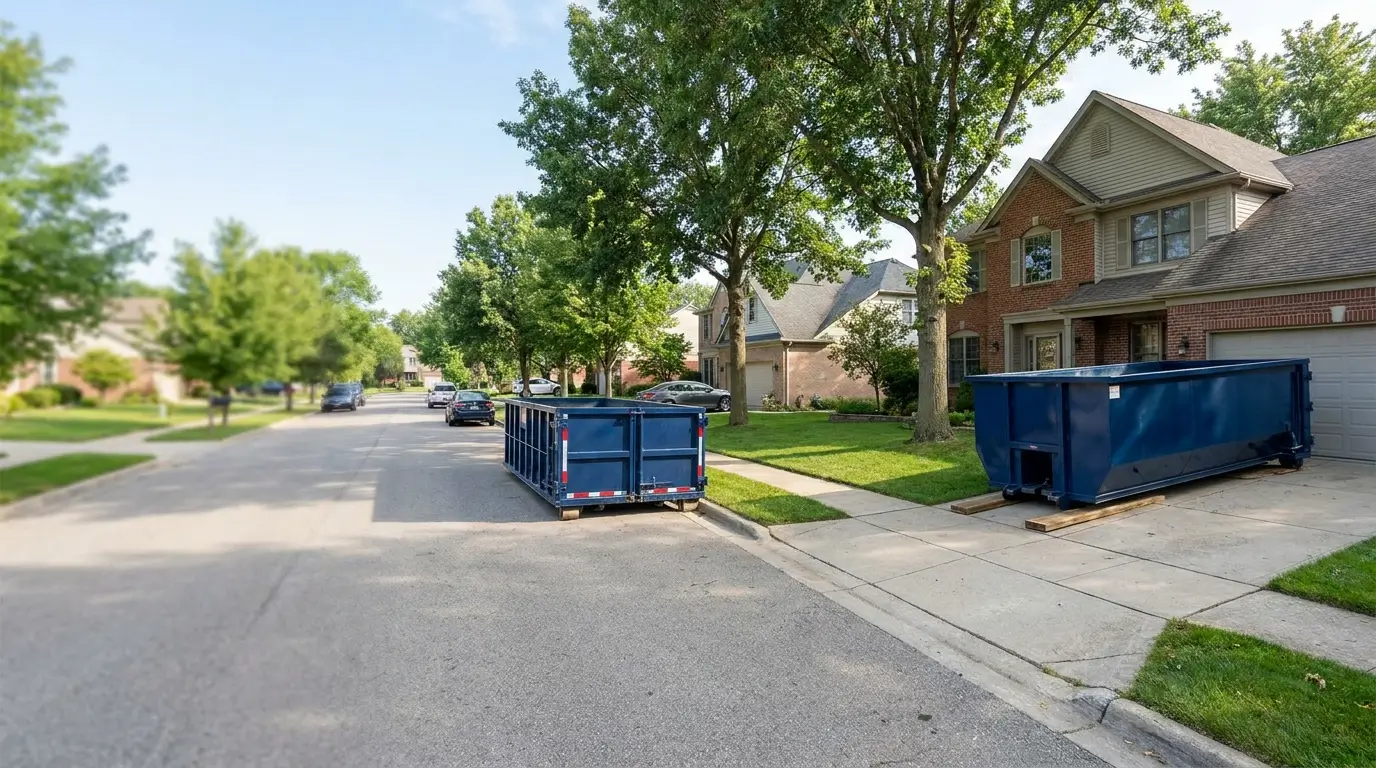
Step 8: Prepare the Driveway and Delivery Area
A roll-off dumpster needs a suitable placement location and enough room for the delivery truck.
For many residential moving projects, a driveway is a convenient option.
Clear Vehicles and Obstacles
Move vehicles, trailers, equipment, and other obstacles before the scheduled delivery.
The driver needs sufficient room to approach and position the container.
Check Overhead Clearance
Look for:
- Tree branches
- Power lines
- Roof overhangs
- Garage structures
- Other overhead obstacles
The delivery vehicle may require additional vertical clearance while positioning the dumpster. Exact requirements depend on the equipment being used.
Consider Driveway Protection
A loaded container can place substantial weight on the surface beneath it.
If the driveway has decorative concrete, pavers, asphalt, or a recently repaired surface, discuss protection options with the provider.
Boards or other protective materials may help in some situations, but no method guarantees that a driveway will remain undamaged.
See our Driveway-Safe Rentals page for more information about placement considerations.
Check Public Placement Requirements
If you cannot place the dumpster on private property and are considering a street or public right-of-way location, verify the applicable requirements with the City of Warren and the provider before delivery.
Do not assume that renting a dumpster automatically gives you permission to place it on public property.
Step 9: Coordinate Dumpster Delivery With Your Moving Schedule
Timing is important when decluttering before a move.
If the dumpster arrives too early, you may pay for rental days before you are ready to load it. If it arrives too late, you may run out of time before moving day.
A Practical Moving and Decluttering Schedule
Two to four weeks before moving
- Review each room.
- Identify belongings that will not fit in the new property.
- Sort items into keep, sell, donate, recycle, and dispose categories.
- Arrange an estate or moving sale if needed.
- Research suitable dumpster sizes.
One to two weeks before moving
- Complete most sorting.
- Arrange donation pickups.
- Separate restricted materials.
- Estimate the remaining debris.
- Request a rental quote.
- Confirm the delivery and pickup schedule.
Several days before moving
- Clear the dumpster placement area.
- Finish packing belongings you are keeping.
- Remove sale and donation items.
- Prepare the remaining unwanted materials for loading.
During the cleanout
- Load accepted debris safely.
- Distribute weight evenly.
- Keep materials below the fill line.
- Contact the provider if the container is nearly full or the schedule changes.
Before moving day
- Confirm dumpster pickup.
- Complete final cleaning.
- Check closets, cabinets, and storage areas for belongings left behind.
- Verify that all remaining property tasks are complete.
Adjust this timeline based on your moving date and the size of the project.
Step 10: Load the Dumpster Efficiently
Good loading practices can help you make better use of the available container space.
Simply throwing items into the dumpster can leave large empty spaces and create an unstable load.
Load Large Items First
Place bulky furniture and larger accepted items in the container first.
If furniture can be safely disassembled, removing detachable parts may make it easier to arrange.
Flatten Cardboard Boxes
Break down empty boxes and stack them together.
This can reduce wasted space and leave more room for other debris.
Fill Suitable Gaps
After positioning larger objects, place smaller accepted items in available spaces.
Do not force materials into gaps if doing so creates an unsafe or unstable load.
Distribute Weight Evenly
Avoid placing all heavy items on one side.
Spread weight across the container floor as evenly as practical.
Keep the Load Below the Rim
Never load debris above the marked fill line or container rim.
Overfilled dumpsters may create transportation hazards and may not be accepted for pickup until the load is corrected.
Use Safe Handling Practices
Wear suitable gloves and footwear when handling unwanted materials.
Do not climb into the dumpster to arrange debris. Take care with sharp metal, broken glass, heavy furniture, and other objects that may cause injuries.
Step 11: Understand the Costs Before Renting
The cost of a dumpster rental depends on several factors, including container size, location, rental period, weight allowance, and material type.
Before booking in Warren, MI, ask the provider to explain the full rental arrangement.
Container Size
Confirm the exact container size and approximate dimensions.
A larger container may cost more, but a container that is too small can create additional costs if another haul or exchange is required.
Included Weight
Ask how much weight is included in the quoted price.
If the cleanout includes construction debris, heavy furniture, or dense materials, describe the project accurately.
Rental Period
Confirm the number of days included.
Ask how additional days are charged and whether early pickup is available.
Delivery and Pickup
Check whether both delivery and pickup are included in the quoted price.
Ask whether any additional transportation or handling charges may apply.
Prohibited Materials
Confirm which materials cannot be loaded.
Some items may require special disposal arrangements or may not be accepted at all.
Overfilling Charges
Ask what happens if materials extend above the fill line.
A container must remain safe for transportation, so an overfilled load may need to be corrected before pickup.
For more information, read What Affects Dumpster Rental Cost in Warren, MI?
Step 12: Avoid Common Decluttering and Moving Mistakes
Even a well-organized move can become stressful when important disposal steps are overlooked.
Throwing Away Belongings Before Reviewing Them
Do not rush through personal documents, photographs, valuables, or family keepsakes.
Set aside anything that needs further review.
Keeping Too Much for the New Home
Downsizing requires honest decisions about available space.
Avoid transporting duplicate furniture, unused appliances, and boxes of belongings that will remain unopened after the move.
Renting a Dumpster Before Estimating Debris
Choosing a container without understanding the amount of waste can result in unnecessary costs or insufficient capacity.
Complete the sorting process first whenever practical.
Mixing Restricted Materials With General Junk
Paint, batteries, tires, chemicals, and refrigerant appliances may require separate disposal.
Identify these items before delivery.
Underestimating the Time Needed for Donations
Donation organizations may have limited pickup schedules or specific acceptance requirements.
Arrange these services early instead of leaving everything until the last few days.
Forgetting About the Garage and Basement
Many people focus on bedrooms and living spaces but overlook storage areas.
Garages, basements, attics, and sheds can contain a substantial amount of unwanted material.
Ignoring Weight Limits
Heavy materials can exceed the included weight allowance even when the container is not full.
Ask about weight limits before loading.
Waiting Too Long to Arrange Pickup
Contact the provider once the container is ready for collection.
If your moving schedule changes, discuss the new timing before the rental period expires.
Moving and Downsizing Decluttering Checklist
Use this checklist to organize your project before renting a dumpster.
Planning
- Confirm the moving date.
- Review the size and layout of the new property.
- Identify furniture that will not fit.
- Set a decluttering deadline.
- Create a room-by-room plan.
Sorting
- Separate items to keep.
- Identify belongings to sell.
- Set aside donations.
- Separate recyclable materials.
- Identify general dumpster debris.
- Review important documents and valuables.
Disposal preparation
- Identify paint, chemicals, and other restricted items.
- Separate batteries and electronics.
- Check appliance disposal requirements.
- Identify heavy materials.
- Estimate debris volume.
- Compare dumpster sizes.
Before delivery
- Request a complete rental quote.
- Confirm the included rental period.
- Check weight limits.
- Verify accepted materials.
- Clear the driveway.
- Check overhead clearance.
- Discuss driveway protection.
- Confirm delivery instructions.
Before pickup
- Keep the load below the fill line.
- Distribute weight evenly.
- Check for restricted materials.
- Arrange pickup with the provider.
- Review any applicable additional charges.
Frequently Asked Questions
Is renting a dumpster a good idea before moving?
A dumpster can be useful when a move produces a substantial amount of unwanted household junk, broken furniture, storage debris, or renovation materials. It provides a central location for accepted debris and can reduce repeated disposal trips.
Should I declutter before or after packing?
It is generally better to declutter before packing. This prevents you from spending time and materials packing belongings that you do not intend to take to the new property.
What size dumpster do I need when downsizing?
A 10-yard container may suit a small apartment or limited decluttering project. A 15-yard or 20-yard dumpster may work for a moderate cleanout, while a 30-yard or 40-yard container may be appropriate for a larger home or whole-property project. The right size depends on the amount and type of debris.
Can I put furniture in a roll-off dumpster?
Many providers accept ordinary household furniture, including tables, chairs, cabinets, and sofas. However, acceptance varies by provider and item. Donate or sell usable furniture before disposal when possible.
Should I donate furniture before renting a dumpster?
Yes, if the furniture is in acceptable condition and a suitable organization can take it. Removing usable furniture before dumpster delivery can reduce the amount of space needed.
Can I put mattresses in a dumpster?
Some providers accept mattresses, while others have restrictions or additional requirements. Confirm acceptance before loading. If the mattress is still usable, consider donation options where accepted.
Can I put old appliances in a dumpster?
Some appliances may be accepted, but refrigerators, freezers, air conditioners, and dehumidifiers can require refrigerant recovery or special handling. Ask the provider about acceptance and preparation requirements.
What should I do with old paint and cleaning chemicals?
Keep these materials separate from ordinary household debris. Check appropriate local disposal programs or ask the relevant disposal provider about approved options.
How far in advance should I rent a dumpster before moving?
The ideal timing depends on your project size and moving date. Research sizes and request a quote early, then schedule delivery when sorting is mostly complete and you are ready to load the container.
Can I keep a dumpster for several days while decluttering?
Rental periods vary by provider. Confirm how many days are included and what additional days cost before booking.
Can I place a dumpster in my driveway?
A driveway is often a practical location if it has sufficient space and access. Discuss surface conditions, overhead clearance, and placement requirements with the provider before delivery.
What happens if my dumpster is overweight?
The provider may apply additional weight charges or require the load to be adjusted before transportation. Review the included weight allowance and overage terms before loading.
Final Thoughts
Moving or downsizing is an opportunity to simplify your household and remove belongings that no longer serve a purpose.
Start by reviewing the space available in your new home, then sort belongings into categories for keeping, selling, donating, recycling, and disposal. Work through the property room by room, estimate the remaining debris, and select a dumpster that matches the project.
Before delivery, confirm accepted materials, weight limits, rental days, placement requirements, and pickup arrangements. These details can help you avoid unnecessary costs and keep the moving schedule on track.
For homeowners in Warren, Michigan, and nearby communities, a roll-off dumpster can be a practical option for collecting eligible unwanted materials during a move or downsizing project.
Warren Dumpster Rental helps connect customers with independent dumpster rental providers serving Warren, Michigan and nearby communities where coverage is available. The matched provider handles availability, rental arrangements, pricing, billing, delivery, and pickup.
With a clear decluttering plan and the right disposal arrangements, you can move fewer unwanted belongings, prepare your current property more efficiently, and start settling into your new home with less clutter.